Travel planning
The best time to visit Israel depends on the trip you want
Choose the time of year around the experiences that matter most: long walks, coastal days, family gatherings or a desert visit. Then check the conditions for each region and arrange the daily pace around the people travelling.
At a glance
- Choose your main activities before comparing travel months.
- Plan separately for the coast, Jerusalem and the desert, including the evenings and the walks inside sites.
- Combine regional climate information with the current forecast, venue notices and the dates of your fixed plans.
In this guide
Choose the experiences that determine your dates
Start with three things you want from the trip. These might be a long Jerusalem walk, time by the sea and several evenings with family. Another group may want museums, business meetings and a single desert outing. Place the most important activity first. The season that suits a trip with frequent outdoor walks can differ from the season that suits a visit centred on relatives and indoor experiences.
If you can choose your dates freely, compare two possible periods using the same questions: how much of each day will be outside, what kind of walking do you want, and which appointments have fixed dates? If school holidays, a celebration or work already determine the period, concentrate on the route and daily rhythm. You can shape the visit through the timing of walks, the choice of venues and the number of hotel changes.
Use the seasonal pattern to shape the day
The Central Bureau of Statistics describes a Mediterranean climate across much of Israel and desert conditions in the south and east. It identifies hot, dry summers and cool, rainy winters, with the rainy season usually extending from October to May. Use that broad pattern when deciding how much outdoor time to build into the trip.[1]
Scroll sideways to compare all columns.
| Period | Useful starting point | What to check for your dates |
|---|---|---|
| Spring | Compare dates for walking-focused visits and a mix of regions. | Forecast, rain, holiday bookings and site notices. |
| Summer | Place demanding outdoor visits carefully and plan substantial breaks. | Heat, the selected site’s operating conditions and the group’s preferred pace. |
| Autumn | Combine outdoor plans with flexible alternatives as the season changes. | Temperature, rain and the exact festival or family dates. |
| Winter | Build a strong city and indoor programme with outdoor visits when conditions suit. | Rain, wind, access notices and time between indoor stops. |
For a walking-focused first visit, start by comparing spring and autumn dates. For a summer family visit, choose the outdoor sections carefully and protect time to rest. For a winter stay, select museums and other indoor visits you would enjoy in their own right. These choices turn the calendar into a useful route plan with worthwhile options for each day.
Make a separate plan for each region
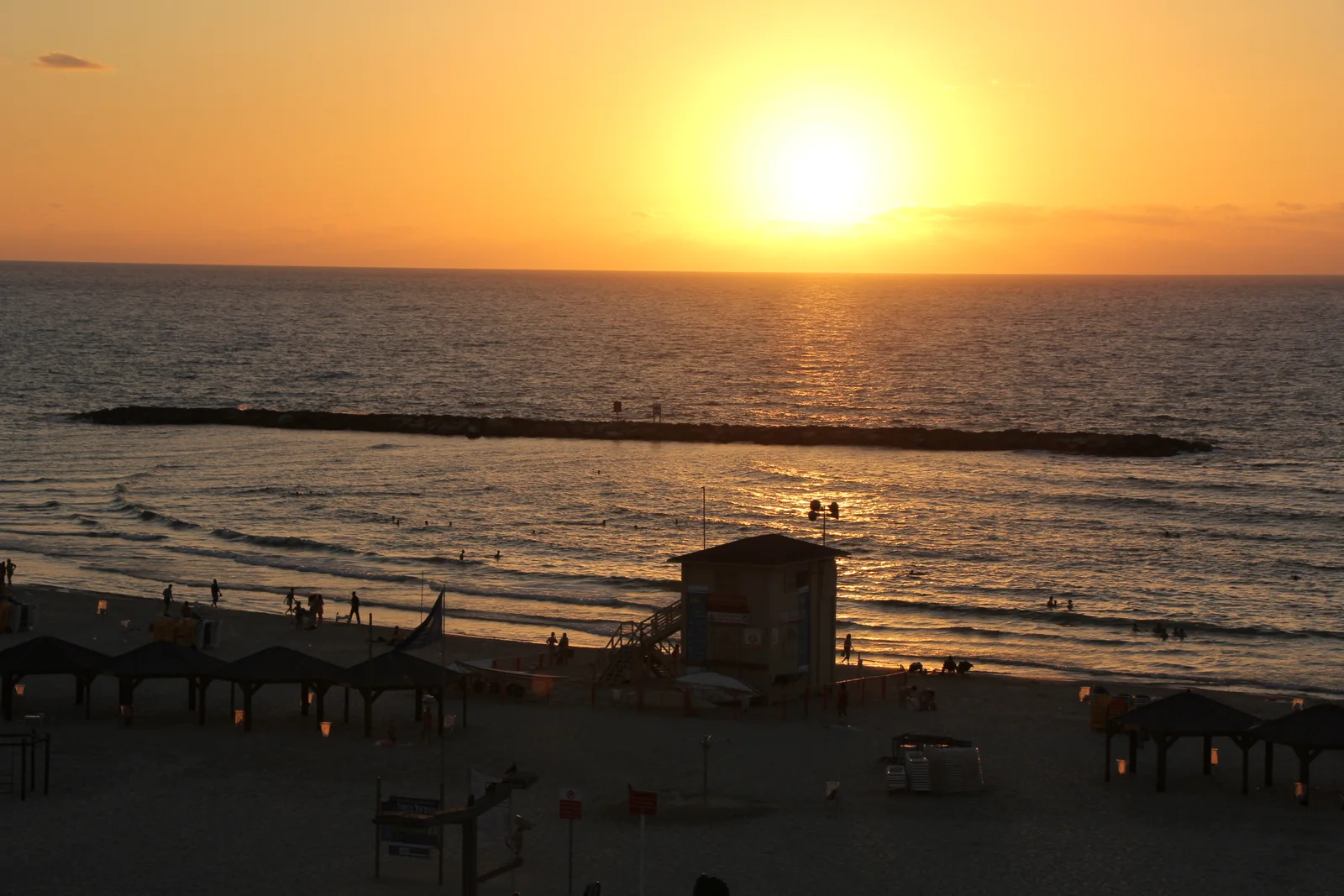
For the coast, think about the activity you want beside the water. A promenade walk, an archaeological site and time at a beach require different clothing, equipment and lengths of exposure. Check the forecast for the actual coastal destination and the facilities at the venue you choose. Place a seated meal or another comfortable pause where it fits the walk and the vehicle collection.
For Jerusalem, include the whole period you will spend in the city. A daytime museum visit followed by dinner needs a plan for the evening as well as the afternoon. Decide which parts of the Old City you want to walk, what happens between visits and how the group will return to the vehicle. Pack for the forecast at the destination and the time of the final journey.
For a desert visit, choose the route and the form of access before selecting a departure time. At Masada, review the park’s current trail and cable-car information, including heat-related changes. Give the main visit a clear alternative and allow time for the group to move at a comfortable pace.[2]
Scroll sideways to compare all columns.
| Station | January | April | July | October |
|---|---|---|---|---|
| Tel Aviv: Sede Dov normals | 17.8 | 22.4 | 29.0 | 27.3 |
| Jerusalem: City Centre | 12.7 | 22.0 | 30.0 | 25.9 |
| Sede Boqer: Negev | 15.3 | 25.3 | 33.4 | 27.8 |
The CBS table uses Israel Meteorological Service data. Its Tel Aviv long-term figures come from Sede Dov, as specified in the footnote. These monthly averages of daily highs provide a consistent regional comparison; use the forecast for your travel dates to plan the final walking schedule.[4]
Read climate figures in a useful way
The CBS climate notes use 1991–2020 as the standard reference period for their long-term temperature and rainfall averages, drawing on Israel Meteorological Service data. When comparing climate tables, use the same period and units for each location. Average daily maximum, average daily minimum and a month’s extreme temperature describe different things.[1]
Use long-term information to shortlist a period, then use the current forecast to decide the actual day. Check the destination rather than only the airport city, and consider both the visit and the return. If you are moving between regions, add each overnight location to the weather check. That makes packing and the order of outdoor activities more practical.
Keep a short list of decisions beside the forecast: the longest walk, the place for a seated break, the items to carry and the visit you can move. Discuss those with the team when confirming the route. The forecast becomes useful when it changes something concrete about the day, such as the walking section or the order of stops.
Place fixed dates before flexible sightseeing
Write actual dates beside family meals, religious visits, work meetings and flights. Check each venue’s current opening and booking arrangements around those commitments. If a particular visit is the reason for coming, confirm that date first. You can then arrange flexible sightseeing and hotel nights around it, keeping the important part of the trip easy to follow.
For travel that includes Friday, Saturday or a holiday period, check the journey in the railway planner if you plan to use a train. Confirm the outward and return legs, and the connection from the station to your address. RT Tours operates 365 days, including Shabbat, and can coordinate private transport with the dates and venue arrangements you choose.[3]
Plan comfort into the programme
Tell the team how much walking the group enjoys and how often people prefer to sit. Include children’s routines and any help needed when entering the vehicle. A morning with a substantial visit can be followed by a meal and a quieter afternoon. Another group may prefer to start later and concentrate on one place. Choose the rhythm around the travellers and the conditions expected at the sites.
Pack a day bag for the activities you have selected. Keep an extra layer accessible for an evening out, and separate beach items from clothing needed at the next visit. If a hotel change happens during the day, make sure the things you want on the walk are easy to reach. Tell the team about bulky items when choosing the vehicle, including strollers and any equipment.
Choose an alternative you would enjoy
Pick an indoor or shorter visit that genuinely interests the group before you need to use it. A museum with a theme the family enjoys, a longer meal or time with relatives can make a good substitute for an extended outdoor section. Decide which arrangement needs a reservation and which can stay flexible. Keep the alternative in the same area when that helps the rest of the day fit.
On a longer stay, use the freedom to move an outing between days. Keep track of which bookings are fixed and ask the team to review the consequences before switching them. If the visit involves a guide, include their participation in the change. One coordinating team can connect the vehicle, visits and concierge requests while keeping everyone informed of the latest sequence.
Bring two date options and your priorities
RT Tours has arranged travel in Israel since 1996. We can help connect the dates you are considering with private transport, licensed guides and the details of your stay. Send the experiences that matter most, the addresses or regions where you plan to stay and any fixed commitments. If your dates are settled, explain the pace you want and the part of the trip you would like us to organise.
- Possible travel periods or confirmed arrival and departure dates.
- The three experiences that matter most to your group.
- Expected walking, evening plans and preferred time to rest.
- Hotel locations, family appointments and any existing bookings.
- Passengers, luggage, guide language and wider concierge requests.
Choose the period that gives your priorities the best place in the calendar. Then refine each day using the destination forecast and current visit arrangements. A well-planned seasonal trip has a clear purpose, suitable daily pacing and useful alternatives that you are happy to enjoy.
Sources & further reading
Choose dates for the Israel trip you want
Send your possible dates, preferred experiences and the people travelling. We can coordinate transport, guiding and the details around your chosen season.