Destination planning
Masada and the Dead Sea: plan a day that leaves time for both
The useful decisions come before the departure time: how you want to reach Masada, how much walking suits your group, and what you expect from the Dead Sea stop. Set those first and the day becomes much easier to arrange.
At a glance
- Choose the ascent and the entrance together. The Roman Ramp uses the western approach; the cable car is on the eastern side.
- Treat a Dead Sea beach visit as a separate stop with its own access, changing and timing requirements.
- RT Tours can coordinate the route and arrange a licensed guide for historical interpretation, with park operation checked for your date.
In this guide
Start with the experience you actually want
A combined Masada and Dead Sea day can work well when both stops have a clear purpose. You might want time among the fortress ruins followed by a relaxed beach visit. Someone else may want a demanding early hike and a brief look at the water. Those are different days, even if the destination names on the booking request are identical.
Decide which part matters most to everyone travelling. If Masada is the reason for the trip, protect time on the plateau. If the group mainly wants the Dead Sea, choose the amount of walking accordingly. A child, an older parent and a keen walker do not necessarily want the same pace. Resolve that before adding another attraction.
Choose the ascent before choosing the road
Scroll sideways to compare all columns.
| Option | What it changes | Planning implication |
|---|---|---|
| Eastern cable car | Reaches the plateau from the Dead Sea side | Check operating hours and allow time for the visit after the ascent. |
| Snake Path | An exposed, stepped eastern ascent; the park estimates about one hour uphill | Choose it deliberately as a walk, with current heat restrictions checked. |
| Roman Ramp | A western ascent; the park estimates about half an hour uphill | Plan the western approach through Arad on road 3199. |
Use the park’s ascent estimates to compare the walks. Then add time for entering the site, exploring the plateau, descending and returning to the vehicle. That complete sequence determines how much of the day to set aside for Masada.
Choose the western or eastern approach when setting the vehicle route. Tell the person arranging the vehicle which ascent you intend to use. If members of the group want different approaches, resolve where everyone will meet and who accompanies each party before confirming the day. There is no direct road across Masada between the eastern and western entrances. If you ascend on one side and descend on the other, agree the separate vehicle collection plan in advance.[5]

A sunrise hike and a cable-car visit need different plans
For some travellers, walking up before sunrise is the main attraction. Others want to arrive later and use the cable car. Check the published trail-opening rules for a sunrise walk. For a cable-car visit, use the operating hours for your date; sunrise services run when specifically announced by the park.[1]
Heat affects trail access, and the park can restrict or close paths. Check the official notice when planning and again close to the visit. Keep a usable alternative: a cable-car visit if operating, a different sequence, or more time at the other stop. A route should still make sense if the original walking plan changes.
An early departure also changes breakfast, hotel arrangements and the next morning. If the previous evening includes a late arrival or a family celebration, the sunrise version may be a poor fit. Choose the sunrise version when everyone wants the early walk, and arrange breakfast and rest around it.
Make the start and finish explicit
Give the exact pickup address and the place where you need to finish, whether that is a Jerusalem hotel, a Tel Aviv apartment or accommodation near the Dead Sea. A return to the same hotel and a transfer to a new hotel are different requests. The latter also puts luggage into the vehicle for the day.
Use a date-specific route plan for driving estimates. Include the exact addresses, pickup, comfort stops and attraction access when reviewing the time needed for each journey. For a day ending with a flight, give the flight details before treating any sightseeing stop as settled.
Agree the order of visits and identify the fixed appointments and flexible stops. It should be clear which booking has a fixed time, which stop can move and what would be shortened if the day runs later than expected.
Leave time to understand what you are looking at
Masada was inscribed on the UNESCO World Heritage List in 2001. Its remains and desert setting deserve more than the time needed for a photograph at the top. Decide whether the group wants a self-directed visit or a licensed guide who can interpret the site and answer questions.[2]
RT Tours can coordinate the driving, arrange a licensed guide and bring the other details of the day into one plan. Our drivers handle transport and meeting points; the licensed guide provides historical interpretation. Tell our team your preferred language, interests and whether you want guiding at Masada or across more of the day.
Build the visit around attention as well as distance. A few carefully chosen areas can be more rewarding than trying to inspect every feature. Give anyone with a particular historical interest room to say what they want to see before the route is finalised.
Define the Dead Sea stop precisely
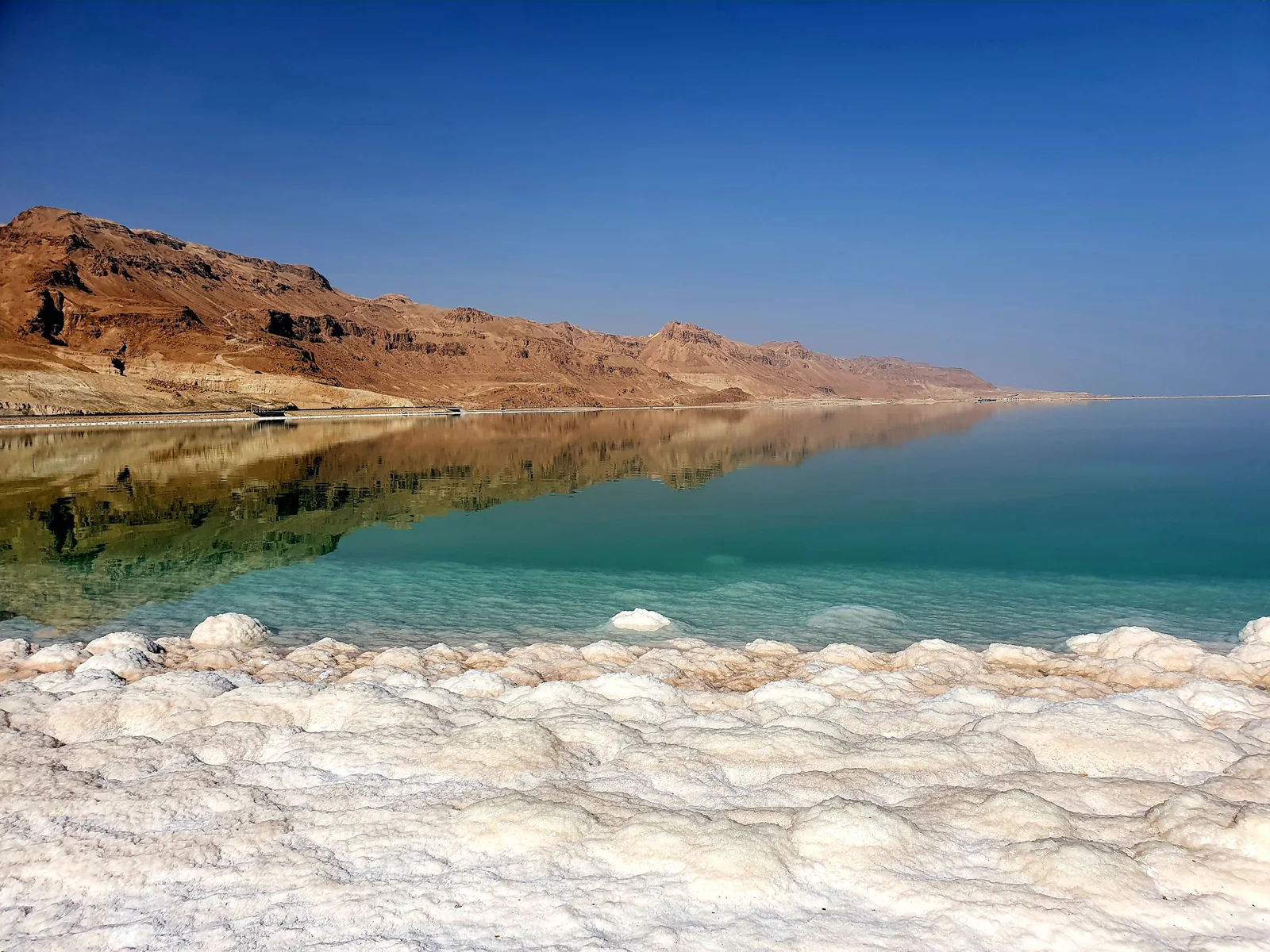
“A stop at the Dead Sea” could mean a viewpoint, time at a beach or access to a particular venue. State which you mean. A photograph by the water and a visit involving swimming, changing and a meal need different allocations of time.
Confirm the actual venue and what the arrangement includes. Ask about changing facilities, showers, towel arrangements, the route from the vehicle to the water and any booking requirement. Choose the venue with those facilities and access needs in mind, and include the agreed arrangements in your plan.
Follow the chosen venue’s posted bathing instructions and current access rules. Choose a stop with the facilities your group needs, and leave time for changing, reaching the water and returning comfortably to the vehicle.
Plan for the least comfortable part of the route
The park describes accessible access through the eastern cable car and bridge, while some features, including the descent to the Northern Palace, involve steps. Select the areas you want to visit using the park’s access information, including the steps within individual features.[1]
Describe practical requirements directly: a wheelchair, limited tolerance for steps, frequent seated breaks or help getting into a vehicle. Then ask which parts of the proposed visit those needs permit. Give examples of the walking and seated breaks that work comfortably for your group.
For families, reserve room for ordinary needs: food, changing, bathroom stops and a pause after walking. If the group wants different levels of activity, agree on a comfortable meeting point and a simple alternative. Agree on a cable-car or shorter-walk alternative before departure so everyone has a clear plan.
Add another stop only if it earns its place
It is tempting to attach another reserve, town or viewpoint to a day already containing two substantial experiences. First check whether the extra stop serves a real interest and leaves the original priorities intact. Allow for entering, walking around and leaving the extra site as well as the drive to it.
Keep optional stops visibly optional. A written plan can name the preferred sequence and an extra possibility with the two main stops given priority. That makes the day easier to adapt while preserving what the group came for.
Send a request that can become a workable plan
- Travel date, exact pickup and drop-off locations, and any fixed appointment or flight.
- Number and ages of travellers, luggage, child seats and practical mobility needs.
- Preferred ascent, appetite for walking and whether sunrise is essential.
- Licensed-guide language and interests, if guiding is wanted.
- The kind of Dead Sea access you expect and which stop takes priority.
RT Tours brings the agreed stops, guiding and admission arrangements into a written plan, with any outstanding confirmations identified. The final cable-car ascent is normally one hour before the park closes; its current operation needs checking for your date. Share your priorities with our team so these details can be coordinated together.[1]
Sources & further reading
Plan your Masada and Dead Sea day
Send your date, pickup location, group details and preferred balance of walking and time by the water. Our team can coordinate the transport, licensed guiding and visit arrangements around your priorities.