Hotels and trip planning
Jerusalem or Tel Aviv: where to stay in Israel
Jerusalem is the stronger base for a trip led by its historic sites, museums and time with people in the city.
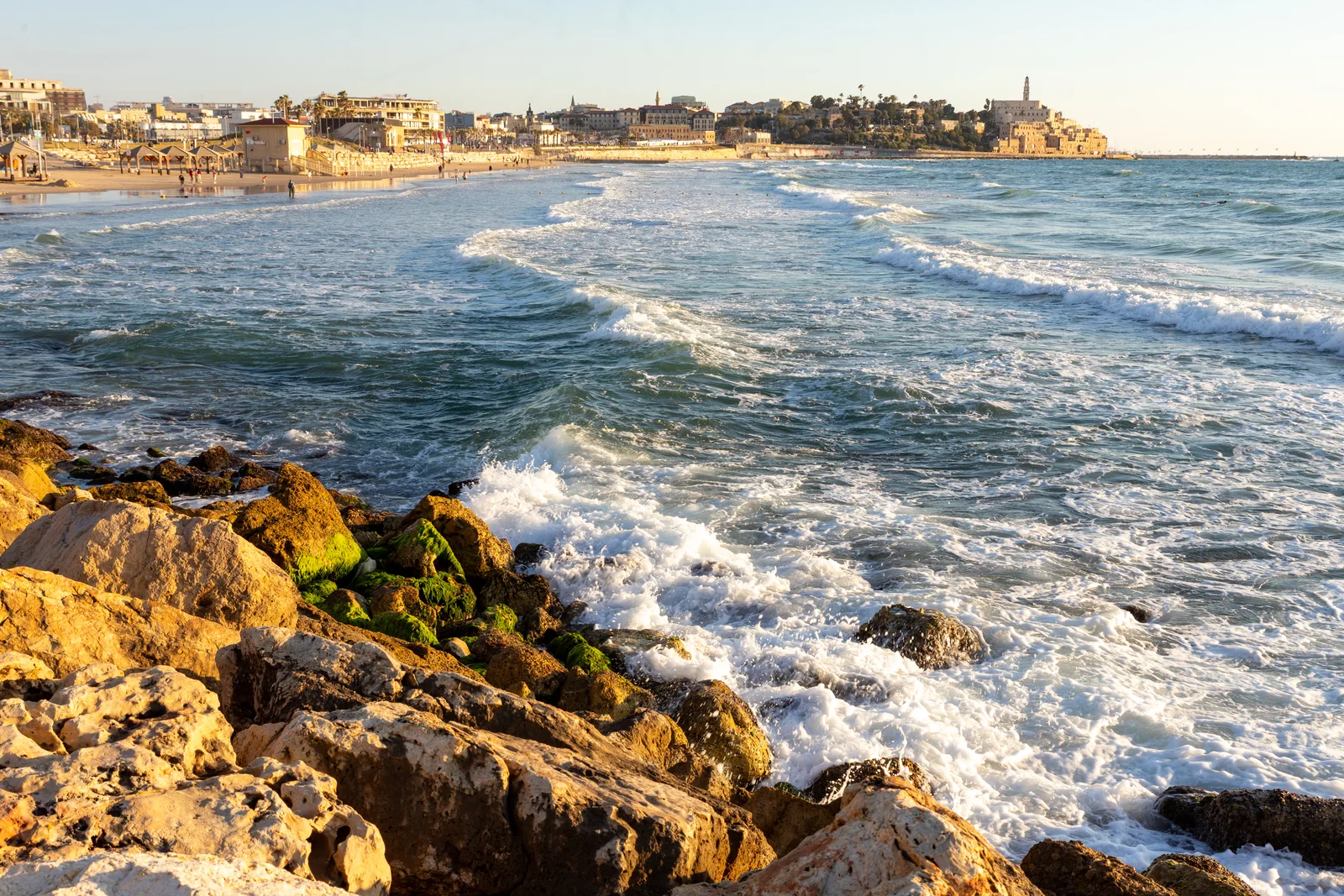
A coastal stay suits Tel Aviv days and evenings. When both cities deserve several substantial visits, divide the nights and plan one deliberate hotel change. Start with the days you want, then choose the address that supports them.
Quick links
In this guide
Put the fixed days on the map first
Write down the appointments that already have a place and time: a family celebration, a meeting, a dinner, a religious visit or a booked museum entry. Add the visits that matter enough to shape the journey. Their locations reveal where your mornings need to begin and where your evenings will finish. The hotel should serve that pattern, rather than force every day to start with the same intercity journey.
Count full days separately from arrival and departure. An evening landing does not provide a touring day, and a morning departure takes that morning out of the programme. Then decide what you want from time without a driver or guide: a walk after breakfast, dinner near the hotel, time on the coast or an easy return to relatives. These ordinary hours are a substantial part of the stay.
For a short visit with one clear centre of interest, keep one base and arrange the other city as a considered day out. A trip with several Jerusalem days and several Tel Aviv days has a different shape. Give each part its own nights so the group can experience both places beyond a single arrival and departure.
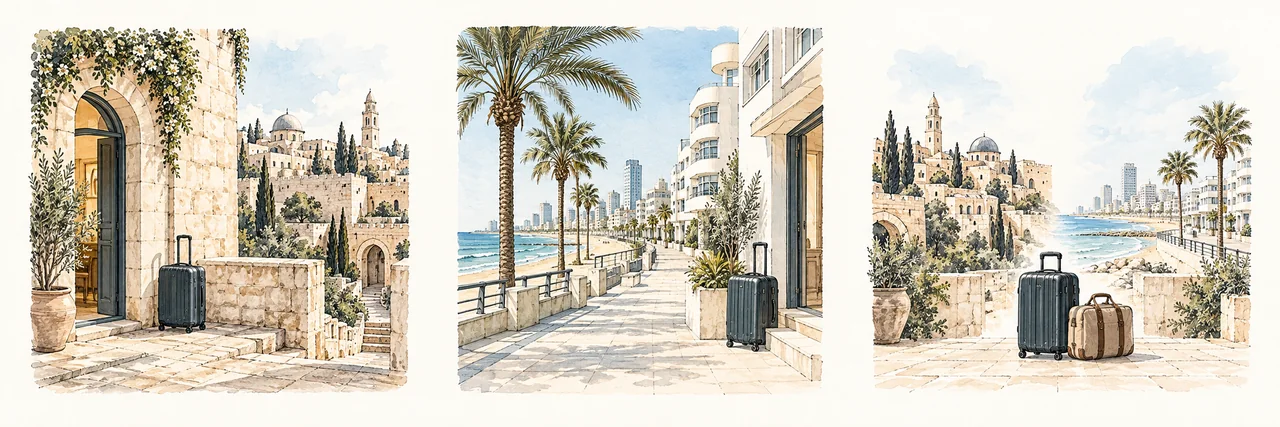
Match the overnight city to the purpose of the visit
Scroll sideways to compare all columns.
| Trip priority | Base to favour | How to organise the days |
|---|---|---|
| Several substantial Jerusalem visits, family commitments or meetings | Jerusalem | Group the Jerusalem days together and choose a hotel location around their first and last commitments. |
| Tel Aviv neighbourhoods, coastal time and evenings in the city | Tel Aviv | Keep mornings and evenings local; reserve a distinct day for an out-of-city visit. |
| One focused Jerusalem visit within a coastal stay | Tel Aviv | Arrange the Jerusalem transport, guiding and walking plan together; return to the same hotel. |
| Several days in each city | Split stay | Change hotels once between the two parts, with luggage and room access included in the transfer plan. |
| Meetings in several cities with guests arriving separately | Base around the actual addresses | Set a first-night hotel, then group meeting days by location and confirm each arrival movement. |
| A group with a strong need for rest during the day | Near the main daily activity | Choose an address that supports a practical return to the room, with the entrance and walking route checked. |
Read the whole itinerary across the table. A beach afternoon does not settle the base for a week of Jerusalem commitments; one guided Old City visit does not require moving a family out of a coastal hotel they want to enjoy. Give the repeated activities and fixed appointments the greatest weight.
Choose the Jerusalem neighbourhood and the actual entrance
For days concentrated around the Old City and central Jerusalem, compare the position of the hotel with the visits themselves. The David Citadel describes its King David Street location beside Mamilla and near Jaffa Gate and the Old City. That is useful location information when considering this part of the city; check the entrance, the walking route and the collection point for the property you actually book.[4]
A room described as being near the Old City still needs a practical route to the places on your programme. Consider gradients, steps, the surface underfoot, how long someone can stand and where they need a seated break. For a traveller using a mobility aid, discuss the complete journey from the hotel entrance to the visit and back. Put any confirmed accessible-room or assistance arrangements in the hotel booking.
A hotel elsewhere in Jerusalem can serve a different programme well: meetings near a particular institution, evenings with relatives or an event at that hotel. Name the real addresses before deciding. The team can then arrange the driver and, where wanted, a licensed guide around the appropriate set-down and meeting points.

Decide how you want to use Tel Aviv outside touring hours
A seafront stay and a stay around Rothschild Boulevard create different everyday routines. The city tourism site places Rothschild among the White City streets, cafés and cultural life around Habima and the southern city centre. Choose that setting for the parts of the visit you want to enjoy there. For time by the shore, compare the actual hotel position with the stretch of promenade and the activities you have chosen.[5]
Look beyond the city name when the programme includes work. A meeting described as Tel Aviv can be at a very different address from the hotel or the evening venue. Send the street addresses and appointment times together. Group nearby commitments into the same part of the day, then preserve a realistic interval for the next movement.
For a family, the useful test is the walk they will actually repeat: hotel to dinner, hotel to a chosen coastal activity, or hotel to relatives. Ask about the entrance, lifts, connecting-room arrangement and any equipment the party needs. A good location supports the ordinary parts of the trip as well as the headline visits.
Use a second hotel when it gives something back
Changing hotels involves packing, checkout, loading, the journey, unloading and settling into another room. Make the move earn that time. Several visits in the second city, an evening event followed by a local morning, or an onward regional stay provide a clear reason. A single short appointment is better considered alongside the option of a return journey from the existing base.
An illustrative six-night plan can put the first part on the coast and the second in Jerusalem, with the change between those two blocks. Reverse the order when a fixed Jerusalem commitment belongs early in the trip. Another family can keep all six nights in one city and choose two substantial outings. The right sequence follows the purpose of the visit, the flights and the people travelling.
Decide this before filling every day with entries and restaurant reservations. The base decision sets the framework for those bookings. Once the nights make sense, connect each visit to a departure point, a return point and the right amount of guided or independent time.
Arrange room access before planning the arrival day
Keep flight arrival, hotel arrival and room access as three separate times in the plan. An early landing calls for a clear first stop: a room reserved for immediate access, agreed luggage handling followed by a suitable activity, or a quiet hotel arrival arranged around the confirmed room time. Choose the arrangement before booking a demanding first visit.
Scroll sideways to compare all columns.
| Hotel | Published check-in | Published checkout |
|---|---|---|
| The Norman, Tel Aviv | 15:00 | 12:00 |
| The David Kempinski, Tel Aviv | 15:00 | 12:00, including Shabbat |
| King David, Jerusalem | 15:00; 16:00 on Saturday and the final day of Jewish holidays | 12:00 |
Use the booked property’s policy and its written confirmation to set the day. For immediate access after an early flight, ask the hotel to confirm the room arrangement explicitly. Agree where bags will be held, which facilities the party can use and where the driver will meet them. A luggage drop is useful only when the hotel has agreed to receive the luggage and the party has what it needs for the next activity.
Make the hotel-change day a complete journey
Send both hotel names, the exact dates and the full luggage count when arranging a change. Include large suitcases, cabin bags, a stroller and any mobility equipment. A vehicle that suits an evening outing still needs a separate loading check for the day everyone travels with all their bags. A licensed guide or other accompanying person also uses a passenger place.
- Confirm checkout and the receiving hotel’s room-access arrangement for the actual date.
- Set the collection point and loading time, with the group ready to leave the first hotel.
- Choose any visit between the hotels around its location, walking needs and the full luggage load.
- Keep medicines, children’s supplies and the items needed during the visit in a readily accessible day bag.
- Agree the receiving entrance, unloading and any luggage handover with the hotel.
- Leave the next appointment enough space for check-in and settling into the room.
For a party splitting between activities, identify who travels with which bags and who remains the organiser’s contact. A shared written movement plan keeps the hotels, vehicle and guests working from the same sequence. Add a stop because it belongs in that journey, rather than treating the gap between room times as an obligation to tour.
- Checkout and loading
- Journey and planned stop
- Confirmed room access
Plan Shabbat, family needs and rest with the hotel
Place the actual weekdays over the itinerary. Confirm the hotel’s arrival and departure arrangements for Friday, Saturday and holidays, then add meals, family visits and the opening pattern of the places you intend to see. RT Tours operates 365 days, including Shabbat, so chauffeured journeys can be planned alongside those commitments.
Children, grandparents and mixed walking preferences make the room part of the day’s plan. Decide which days need a return for rest, who stays with someone finishing early and whether the rest of the party continues with the guide. Share the practical details with the team: ages and heights for child seats, stroller size, mobility equipment and the type of walking each person finds comfortable.
A family choosing two bases should keep the change day lighter than a normal touring day. For visitors staying with relatives for part of the trip, include those home addresses alongside the hotel nights. The vehicle and room plan can then follow the whole visit rather than just the sightseeing portion.

Photo credit
Give visiting groups a fixed first-night plan
For a company visit or a delegation, put the meeting addresses, host contacts and hotel allocation in the same brief. Confirm where the first arrivals will stay before their flights arrive. Record guests arriving on different dates separately, including who joins the first meeting and who goes directly to the hotel. RT Tours can coordinate these arrivals with the wider visit through one team.
Name one organiser who approves changes and one contact travelling with each separate movement. If a guest changes hotel or leaves the programme early, update that movement and its luggage requirements. The written proposal should identify the arranged services and the responsibilities relevant to them, including the hotel reservation, chauffeured transport and any licensed guiding.
Bring the hotel, vehicle and visits into one plan
RT Tours has arranged trips and transfers in Israel since 1996. Our team coordinates chauffeured transport, hotel requests, licensed guides and wider concierge arrangements around the visit. We use our own Mercedes-Benz fleet and check the complete party and luggage together: S-Class up to 3 passengers, V-Class up to 7 and Sprinter up to 16, excluding the driver.
Send your arrival and departure dates, existing hotel bookings, the places or meetings that matter most and the number of people travelling. Include bags, child seats, mobility needs and any days that call for a guide. Tell us which evenings you want to spend in each city. We will work those details into a coordinated hotel-base and transport proposal.
Sources & further reading
Plan where to stay and how the days connect
Share your dates, existing bookings and main priorities. Our team will coordinate the hotel requests, vehicle and visits around your party.